Introduction: When Two Temples Hold the Universe
There are journeys you plan with maps, and then there are journeys you undertake with your soul. The Do Dham Yatra — the pilgrimage to the twin divine abodes of Kedarnath and Badrinath — belongs firmly to the second category. Nestled deep within the snow-kissed peaks of Uttarakhand’s Garhwal Himalayas, these two sacred shrines represent the beating spiritual heart of Hinduism. For millions of devotees across India and the world, this yatra is not merely travel — it is transformation.
Choosing the right Do Dham Yatra tour package ensures that your sacred journey unfolds with the comfort, safety, and reverence it deserves. Whether you’re a lifelong devotee, a spiritual seeker, or someone drawn to the majestic beauty of the Himalayas, this comprehensive guide will take you through everything you need to know — from planning and booking, to what awaits you at each divine destination.
What is Do Dham Yatra?
The term “Do Dham” simply means “two abodes” in Hindi. Unlike the longer Char Dham Yatra covering all four sacred shrines, the Do Dham Yatra focuses on two of Hinduism’s most powerful pilgrimage sites:
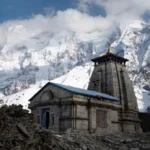
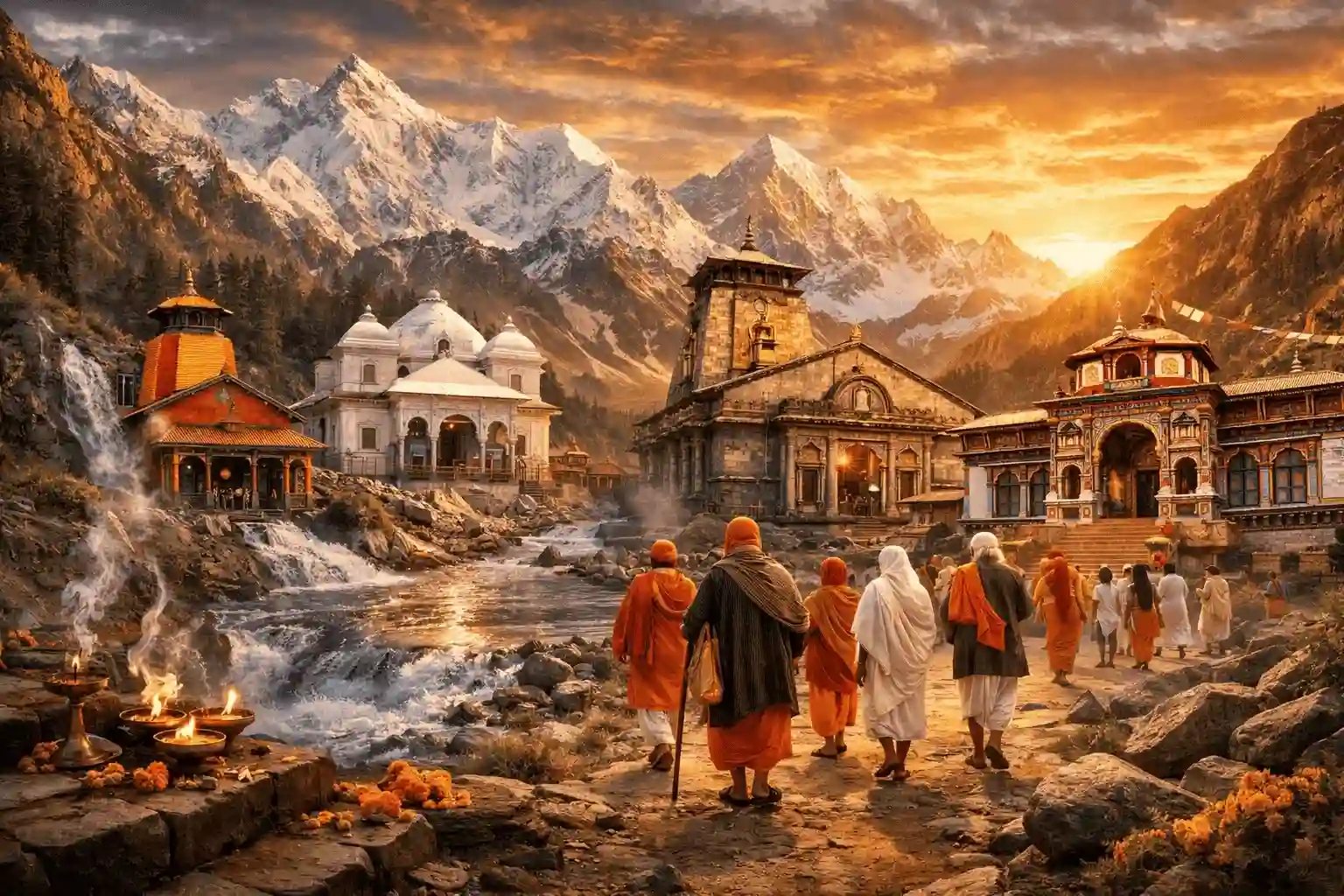
1. Kedarnath — One of the twelve revered Jyotirlingas of Lord Shiva, situated at a staggering altitude of 3,583 meters in the Rudraprayag district. Kedarnath is considered one of the holiest seats of Lord Shiva on earth. The ancient temple, believed to have been built by the Pandavas and later restored by Adi Shankaracharya, stands as an enduring testament to both human devotion and divine grace.
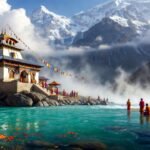
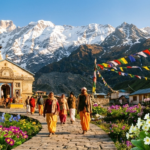
2. Badrinath — The celestial abode of Lord Vishnu (Badrinarayan), perched at 3,300 meters along the banks of the sacred Alaknanda River. Badrinath is one of the 108 Divya Desams — the most sacred Vishnu temples — and is among the holiest pilgrimage destinations in all of Hindu tradition. The temple’s vibrant facade, framed by snow-laden peaks, creates an image that stays etched in the devotee’s mind forever.
Together, these two shrines represent the ultimate divine duality — Shiva and Vishnu — and a Do Dham Yatra is believed to bestow immense blessings, purify accumulated karma, and bring the pilgrim closer to moksha.
Why Choose a Do Dham Yatra Tour Package?
Perfect for Time-Constrained Pilgrims
The complete Char Dham Yatra demands 10 to 12 days minimum. The Do Dham Yatra, however, can be meaningfully completed in 6 to 8 days, making it ideal for working professionals, senior devotees, and families with children who cannot take extended leaves.
Deep Spiritual Focus
By visiting two dhams instead of four, pilgrims can spend more time at each destination. Longer temple stays, more meaningful darshan, quiet meditation, and soaking in the spiritual atmosphere become possible without the pressure of a packed itinerary.
Practical Advantages of a Package
Organizing a high-altitude Himalayan pilgrimage independently is genuinely challenging. A well-curated Do Dham tour package gives you:
- Pre-booked accommodations at key stopovers
- Knowledgeable guide or tour manager
- Reliable transport on mountain roads
- Assistance with darshan, registrations, and local formalities
- Emergency medical support
- Significant savings versus self-organized travel
Detailed Do Dham Yatra Tour Package Itinerary
Day 1: Arrival in Haridwar / Rishikesh
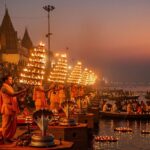
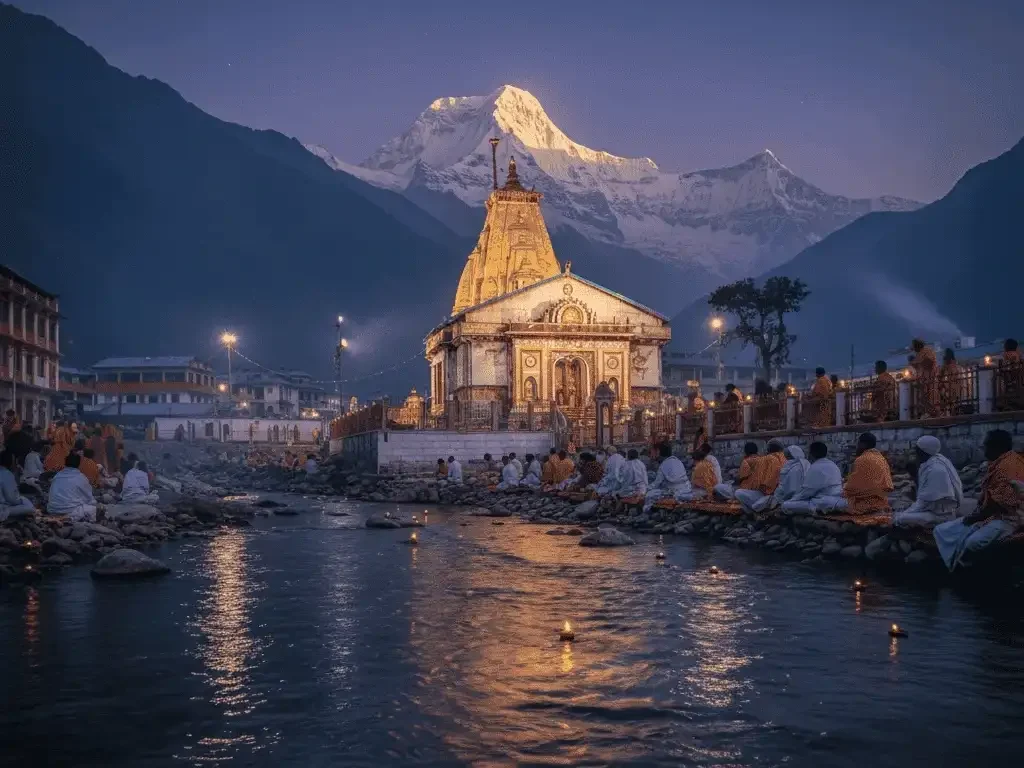
Your Do Dham pilgrimage begins in the sacred twin cities of Haridwar and Rishikesh — the gateway to the Himalayas. Most tour packages offer pickup from Haridwar railway station or Jolly Grant Airport in Dehradun. After check-in at your hotel, attend the iconic Ganga Aarti at Har Ki Pauri (Haridwar) or Triveni Ghat (Rishikesh). This mesmerizing evening ritual — thousands of lamps floating on the Ganges amid the chanting of priests — sets a deeply spiritual tone for the journey ahead.
Day 2: Haridwar to Guptkashi / Sitapur (Kedarnath Base)
An early morning departure takes you through the scenic Rudraprayag district. The drive passes through lush valleys, rushing rivers, and charming mountain villages. You’ll pass through Devprayag — the sacred confluence of Alaknanda and Bhagirathi rivers — and later through Rudraprayag, where Alaknanda meets the Mandakini. Arrive at Guptkashi or Sitapur (the base for Kedarnath) by late afternoon. Rest well — tomorrow is the most physically demanding day of the yatra.
Day 3: Guptkashi to Kedarnath
This is the day most pilgrims describe as unforgettable. From Sonprayag or Gaurikund (the trek starting point), you have three options:
- Trek (16 km): A moderately challenging uphill walk through forests, meadows, and mountain terrain, taking approximately 6–8 hours. Highly rewarding for fit pilgrims.
- Pony or Palki (Palanquin): A comfortable option for those unable to trek, carried by local porters through the mountain path.
- Helicopter Service: The fastest option, taking just 8–10 minutes from Phata, Sirsi, or Guptkashi helipads. Ideal for senior devotees or those with health concerns.
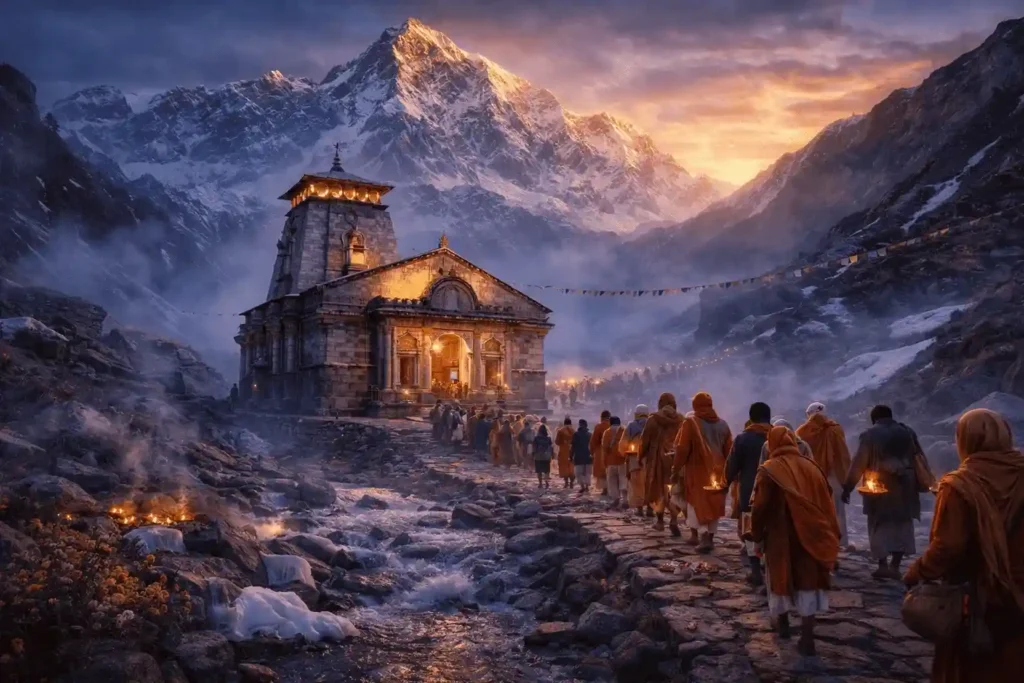
Upon reaching Kedarnath, the sight of the ancient stone temple against a backdrop of the majestic Kedarnath Peak (6,940 meters) is profoundly moving. Attend the evening Shayan Aarti — a ritual in which Lord Shiva is ceremonially prepared for rest — a deeply intimate and spiritually charged ceremony. Overnight stay near the temple.
Day 4: Kedarnath Darshan and Descent
Rise early for the Pratah (morning) Aarti at 4:00 AM — an experience of rare, meditative silence and devotion. Seek blessings at the sanctum sanctorum and explore the surrounding area, including Bhairavnath Temple and the Chorabari Tal (Gandhi Sarovar lake, accessible on foot). Begin descent in the afternoon and proceed toward Badrinath.
Day 5: Journey to Badrinath
The scenic route to Badrinath takes you through Joshimath — an ancient town that serves as the winter seat of Lord Badrinath — and the famous Vishnuprayag confluence. En route, admire the thundering Vasudhara Falls and the surreal landscapes of the Chamoli district. Check in to your hotel in Badrinath by evening.
Day 6: Badrinath Darshan
Begin the day with a dip in the warm Tapt Kund natural hot spring, just below the temple — a purifying ritual recommended before darshan. The Badrinath Temple, with its colorful painted facade and golden spire, is unlike any other Himalayan shrine. Seek darshan of Lord Badrinarayan, then explore:
- Brahma Kapal Ghat — a sacred platform for ancestral rituals (Pitru Tarpan)
- Mana Village — just 3 km from Badrinath, this is India’s last village before the Tibet border, home to legendary sites from the Mahabharata, including Vyas Gufa and the Saraswati River
- Neelkanth Peak — visible from Badrinath at 6,597 meters, this peak is considered a natural Shivaling
Attend the evening aarti as the sun sets behind the mountains, casting a golden glow across the temple’s facade. This is a moment of such profound beauty that many pilgrims weep openly with devotion.
Day 7: Badrinath to Rishikesh / Haridwar
Begin the return journey via the scenic Chamoli–Devprayag route. Stop at Rudraprayag and Devprayag for photographs and brief prayers at the confluences. Arrive at Haridwar or Rishikesh by evening. Most packages include one final night here.
Day 8: Departure
After breakfast, pilgrims are transferred to Haridwar railway station, Dehradun airport, or as per individual departure plans.
Get a Question?
Do not hesitage to give us a call. We are an expert team and we are happy to talk to you.
Moblie No:- 964-388-7788
Email id :- info@tripojee.com
Types of Do Dham Yatra Tour Packages
Budget Package (₹10,000 – ₹18,000 per person)
- Basic guesthouse accommodations
- Shared Tempo Traveler or bus transport
- Breakfast and dinner included
- Standard darshan assistance
- Duration: 7–8 days
Deluxe Package (₹22,000 – ₹40,000 per person)
- 3-star or quality mid-range hotels
- Semi-private vehicle (Innova or similar)
- All meals included
- Guide and manager support
- Duration: 6–7 days
Premium/Luxury Package (₹50,000 – ₹90,000 per person)
- Luxury hotels and boutique stays
- Private vehicle with experienced driver
- All meals (multi-cuisine vegetarian)
- Kedarnath helicopter service included
- VIP darshan assistance
- Duration: 6 days
Do Dham Helicopter Package (₹70,000 – ₹1,40,000 per person)
- Helicopter service to both Kedarnath and Badrinath
- Premium accommodations
- Complete pilgrimage in 4–5 days
- Ideal for senior citizens and those with health conditions
What’s Included and Excluded in Most Packages?
Typically Included
- Hotel accommodations (twin/triple sharing)
- Meals as specified (breakfast and dinner or all meals)
- All surface transport from Haridwar/Rishikesh and back
- Tour guide or manager
- Tolls, parking, and driver allowances
Typically Excluded
- Pony, palki, and porter charges at Kedarnath
- Helicopter tickets (unless premium/helicopter package)
- Personal expenses and shopping
- Travel and medical insurance
- Entry fees and camera charges at monuments
- Anything not explicitly listed in inclusions
Best Time for Do Dham Yatra
May to June (Peak Season)
The temples open after winter, usually in late April or early May. This period offers the most accessible weather, fully operational services, and the spiritual energy of the season’s opening puja. Expect larger crowds and slightly higher package costs.
September to October (Post-Monsoon)
After the monsoon season subsides in late August, the yatra resumes under clearer skies, with refreshed rivers and lush green valleys. Fewer crowds, lower costs, and spectacular post-rain scenery make this an excellent time to travel.
Avoid July–August
Monsoon rains cause frequent landslides and road closures. Travel is heavily disrupted and potentially dangerous. Most experienced operators strongly advise against yatra during this period.
Health & Fitness Guidelines
The Do Dham Yatra involves high-altitude travel and moderate physical activity. Preparing your body and mind beforehand makes an enormous difference.
Weeks Before Departure: Begin daily walking for 30–45 minutes. Practice yoga and breathing exercises. Consult your doctor if you have heart conditions, respiratory issues, asthma, or diabetes.
During the Yatra: Stay well-hydrated — drink at least 2–3 liters of water daily. Avoid alcohol and smoking completely. Eat light, easily digestible meals. Do not rush — pace yourself and rest when needed. Carry personal medications and a basic first-aid kit.
At High Altitude: Watch for signs of Acute Mountain Sickness (AMS): headache, nausea, dizziness, or breathlessness. If symptoms develop, descend immediately and seek medical attention. Reputable tour operators carry basic medical kits and have emergency contacts at every stop.
Booking Your Do Dham Package: Step-by-Step
Booking the right package requires careful research. Follow this process to ensure a smooth experience:
Step 1 — Research: Compare at least 3–5 tour operators online. Check Google reviews, travel forums, and social media testimonials. Prioritize operators with verified experience in Himalayan pilgrimage tours.
Step 2 — Verify Credentials: Confirm the operator is registered with the Uttarakhand Tourism Department and holds a valid license. Ask for their emergency contact system and insurance coverage.
Step 3 — Read the Fine Print: Understand exactly what is included and excluded. Ask about cancellation and refund policies, especially given the weather-related uncertainties of Himalayan travel.
Step 4 — Book in Advance: For May–June departures, book 2–3 months ahead. Helicopter packages and premium accommodations fill up especially quickly.
Step 5 — Prepare Documents: Keep original and photocopies of Aadhar card, passport, and medical prescriptions. Senior citizens may need a basic medical fitness certificate.
The Emotional Landscape of Do Dham Yatra
Beyond logistics and itineraries lies something that no guide can fully capture — the feeling of the Do Dham Yatra. Standing before Lord Shiva at Kedarnath, at nearly 12,000 feet, with the icy winds carrying the scent of incense and wildflowers, the mind instinctively quiets. The noise of daily life — deadlines, anxieties, grievances — fades completely.
At Badrinath, watching the sunrise paint the Nilkantha Peak in shades of pink and gold while temple bells ring across the valley, many pilgrims experience what sages have described for centuries as divya anubhuti — divine feeling. These are the moments that turn a holiday into a life experience.
Many who undertake this yatra return home fundamentally changed — more patient, more grateful, and more deeply connected to something larger than themselves.
Conclusion: Two Temples, One Transformative Journey
The Do Dham Yatra Tour Package to Kedarnath and Badrinath is one of the most accessible, profound, and genuinely life-altering spiritual journeys available to any pilgrim today. With the right Do Dham Yatra tour package, even the practical challenges of Himalayan travel are handled with care and expertise, leaving you free to focus entirely on devotion, reflection, and the raw, humbling beauty of the sacred Himalayas.
Whether you seek divine blessings, personal healing, spiritual awakening, or simply the indescribable joy of standing in a place where humanity has prayed for thousands of years — the Do Dham Yatra will meet you exactly where you are, thoughtfully organized by Tripojee India Pvt Ltd for a smooth and memorable experience.
Har Har Mahadev! Jai Badri Vishal!
Frequently Asked Questions (FAQs)
1. What is the difference between Char Dham and Do Dham Yatra?
The Char Dham Yatra covers all four sacred shrines — Yamunotri, Gangotri, Kedarnath, and Badrinath — and typically takes 10–12 days. The Do Dham Yatra focuses exclusively on Kedarnath and Badrinath, completing the pilgrimage in 6–8 days. Do Dham is ideal for those with time or health constraints who still wish to experience Uttarakhand’s two most significant divine destinations.
2. How much does a Do Dham Yatra package cost in 2025–2026?
Do Dham Yatra packages range from ₹10,000 to ₹90,000 per person depending on accommodation category, transport type, and services included. Budget packages start at ₹10,000–18,000, deluxe packages cost ₹22,000–40,000, premium packages run ₹50,000–90,000, and helicopter-inclusive packages range from ₹70,000–1,40,000 per person.
3. Is it safe for senior citizens to undertake Do Dham Yatra?
Yes, with proper planning, the Do Dham Yatra is very manageable for senior citizens. Helicopter services are available for Kedarnath, and pony/palki options accommodate those who cannot trek. It’s advisable to undergo a medical check before travel, choose packages with medical support, travel during favorable weather (May–June or September–October), and avoid rushing at high altitudes.
4. Which is better — trekking to Kedarnath or taking a helicopter?
Both options have merit. Trekking offers an immersive, physically rewarding, and spiritually meaningful experience on a sacred path walked by pilgrims for centuries. The helicopter is ideal for those short on time, with physical limitations, or health concerns. Many devotees choose to trek one way and helicopter the other for the best of both experiences.
5. When do the Kedarnath and Badrinath temples open and close?
Both temples follow a seasonal calendar. Kedarnath Temple typically opens on Akshaya Tritiya (April/May) and closes on Bhai Dooj (October/November). Badrinath Temple usually opens in late April/early May and closes on Dev Diwali (October/November). Exact dates vary yearly based on the Hindu calendar and are announced by the temple committees. Always confirm opening dates with your tour operator before booking.