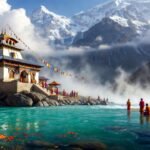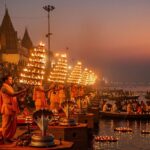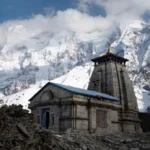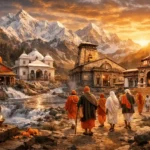
Planning a Char Dham Yatra Tour Package ? You’re about to embark on one of India’s most sacred pilgrimages. Every year, thousands of devotees make their way to Uttarakhand’s mystical heights. They visit four holy shrines – Yamunotri, Gangotri, Kedarnath, and Badrinath. These ancient temples sit nestled in the Himalayas. But here’s the thing: timing is everything. Best Time for Char Dham Yatra Pick the right season, and you’ll have an incredible spiritual experience. Choose poorly, and you might face unnecessary challenges.
When Are the Best Time for Char Dham Yatra Temples Open?
Let me start with the basics. The Char Dham temples aren’t open year-round. They close for almost six months because of brutal winter conditions. We’re talking heavy snowfall and freezing temperatures that make the region inaccessible.
The shrines usually open sometime between late April and early May. They stay open until October or November. The exact dates? They’re based on the Hindu calendar. Temple priests announce these dates according to auspicious timings. So you need to plan your trip within this window. But not all months are created equal.
May to June: The Sweet Spot
Ask any experienced pilgrim, and they’ll tell you the same thing. May to early June is golden for Char Dham Yatra. I’m serious about this.
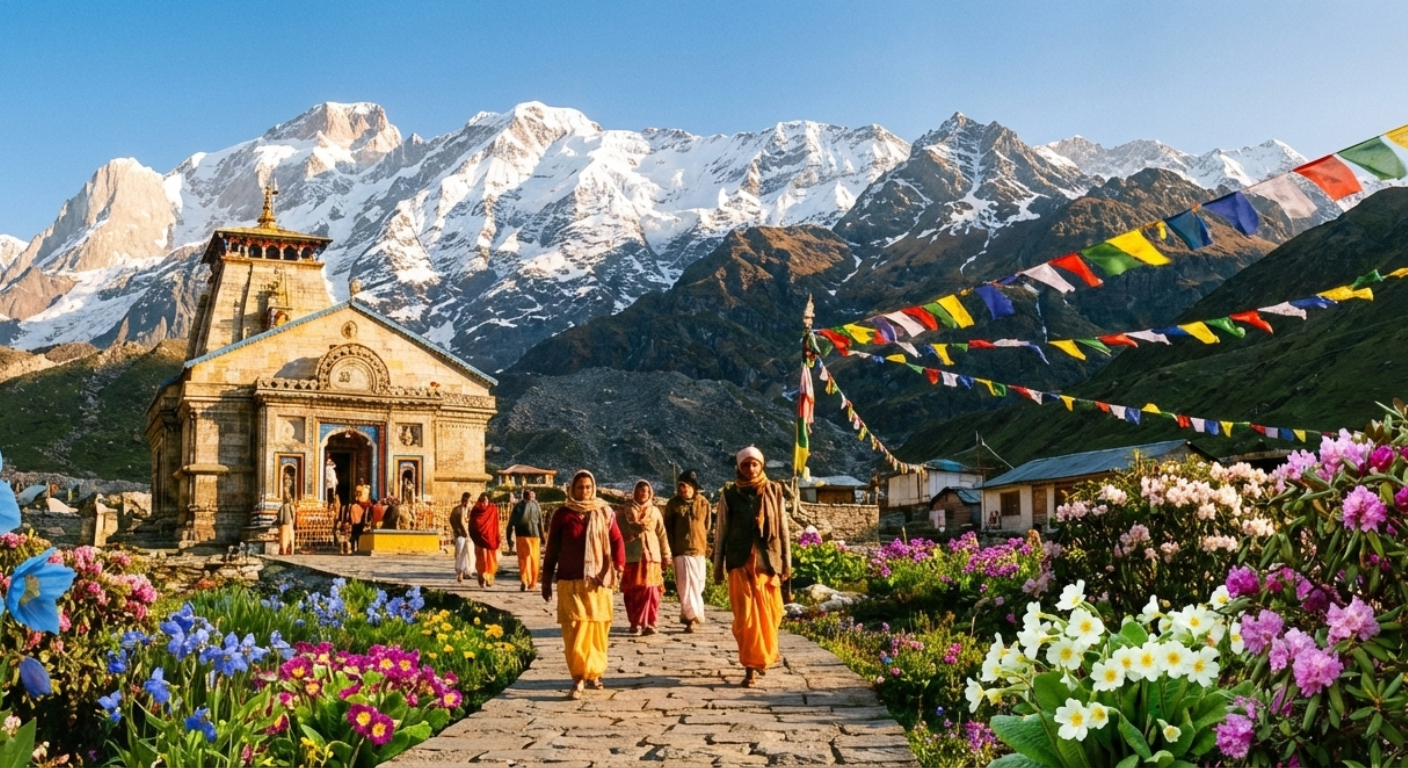
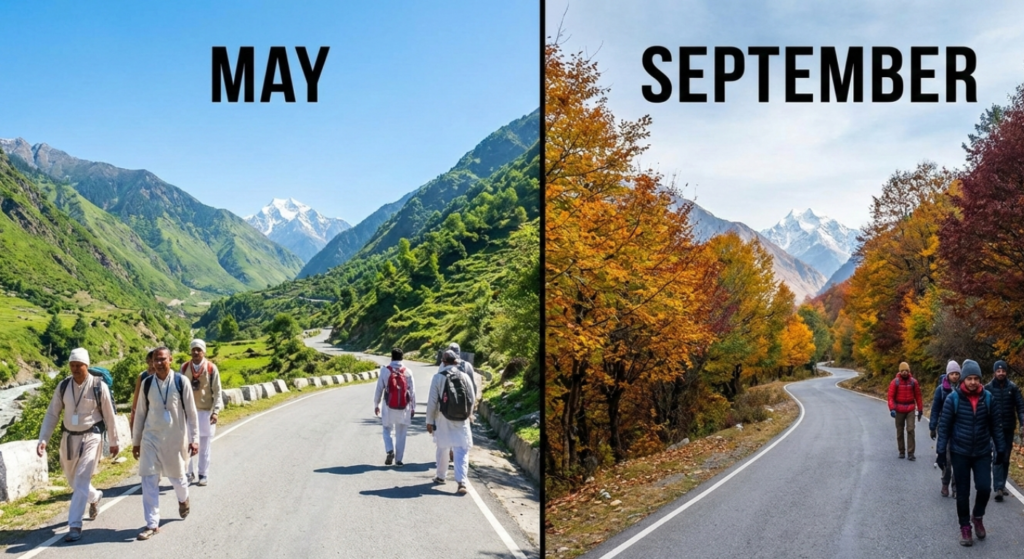
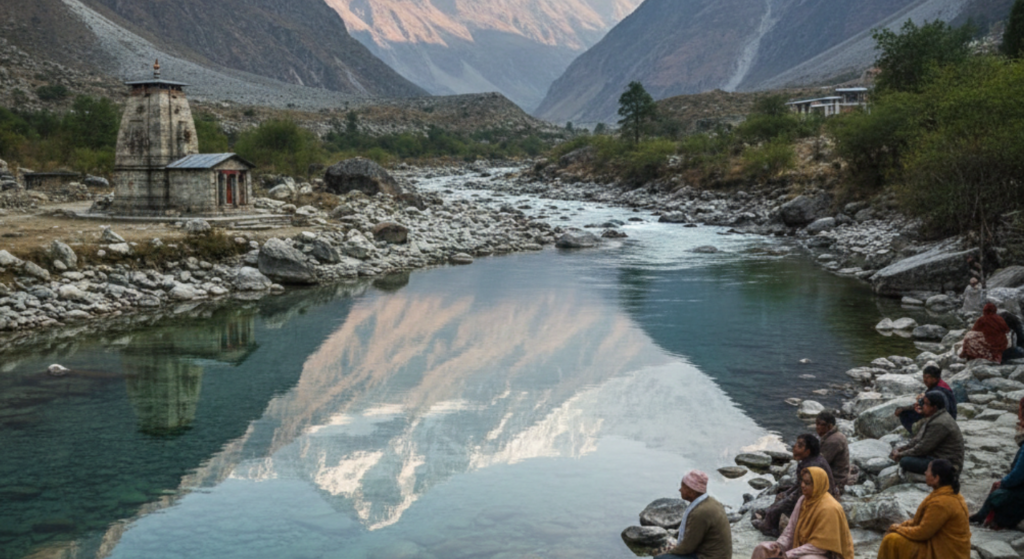
During these weeks, spring melts into early summer. The Himalayan valleys wake up. You’ll see rhododendrons blooming everywhere. The skies? Crystal clear most days. Snow starts melting from the peaks. Rivers flow strong and fresh. And the weather stays comfortable – usually between 15 to 20 degrees Celsius during the day.
There’s something special about visiting right after the temples open. The priests have just completed their winter rituals. There’s this palpable energy of renewal in the air. Plus, the roads are freshly cleared and repaired. That makes your journey much safer and easier.
The views during May and June are absolutely stunning. You get these breathtaking panoramas of snow-capped peaks. The valleys are green and lush. If you love photography or nature, this season gives you postcard-perfect scenes. The rivers run clear with glacier melt. Taking that ritual dip at the ghats? It’s cold but refreshing, not unbearable.
Now, I should mention the downside. May and June mean peak season. Translation: higher prices and bigger crowds. Hotels and guesthouses get booked fast. You absolutely need to reserve your accommodation and transport well ahead of time. But despite the crowds, most pilgrims still prefer this period. The weather and accessibility just can’t be beaten.
September to October: The Quieter Choice
Want fewer crowds? September through mid-October might be your answer. After monsoon wraps up, the Himalayas transform again. You’ll see gorgeous autumn colors painting the landscape. The air gets crisp and clean. Weather becomes more predictable too.
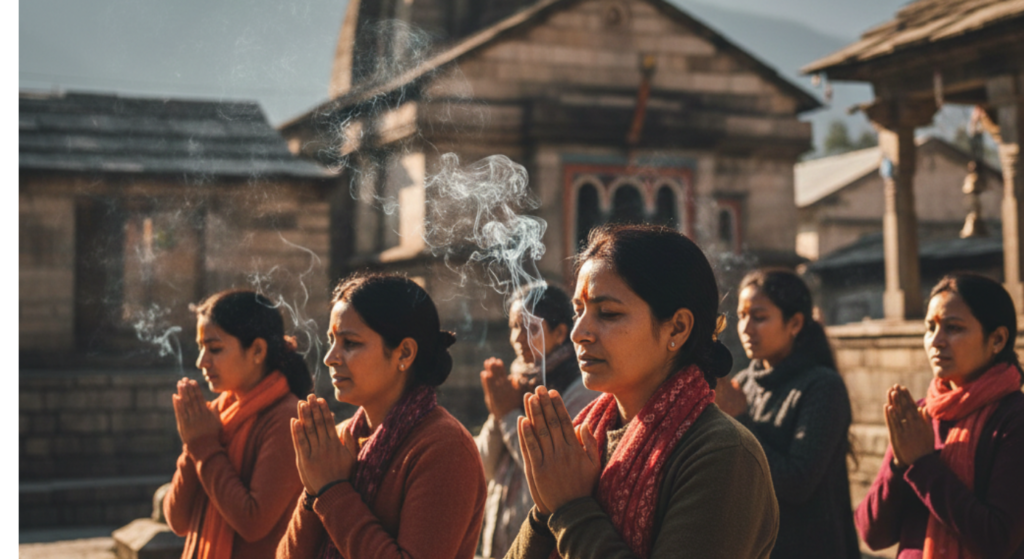
I really like autumn in the Char Dham Yatra Tour Package region. Everything feels fresh after the monsoon rains. The biggest advantage? Way fewer people. You get more peaceful time at the temples for darshan and meditation. The mountains are lush and green from all that rain. Waterfalls are at their most powerful and beautiful.
Temperature-wise, September and early October feel pleasant enough. As October moves along, it definitely gets colder. Daytime temps sit around 10 to 15 degrees Celsius. Nights can get quite chilly though. Make sure you pack warm layers. The roads are typically in decent shape since authorities maintain them post-monsoon.
Here’s what you need to remember: the temples close soon after Diwali. You have to complete your yatra before those closing dates. They announce these dates based on the Hindu calendar and local customs. Check them before you book anything.
Stay Away from July and August
Yes, the temples stay open during July and August. But should you go? Honestly, I’d say no. These monsoon months create serious problems.
Landslides happen all the time during monsoon in the Himalayas. Roads get blocked for hours, sometimes days. The mountains become unstable with all that rain. Conditions along the routes turn dangerous. Flash floods can strike in the valleys. Weather changes suddenly and unpredictably.
The clouds block your views of the peaks and scenery. Trails get slippery and muddy – a real hazard. The trek to Kedarnath becomes especially risky and tough. If you’re elderly or have mobility issues, these conditions are genuinely dangerous.
On top of safety concerns, services get limited during monsoon. Many shops and facilities reduce their hours. Helicopter services to Kedarnath? They cancel flights constantly because of bad weather. Your whole schedule can fall apart. You end up fighting weather problems instead of focusing on your spiritual journey.
What’s the Weather Really Like?
Each shrine has its own weather patterns. Yamunotri and Gangotri sit at lower elevations. They’re somewhat warmer than Kedarnath and Badrinath. But all four places see big temperature swings between day and night.
Mornings can be freezing, especially in May and October. Temperatures climb as the sun comes up. But mountain weather is unpredictable. Rain can show up even during supposedly dry months. Always carry waterproof gear.
Wind picks up at higher altitudes. Kedarnath sits at about 3,583 meters. The wind chill makes it feel way colder than the thermometer shows. You need proper layered clothing to handle these changes.
There’s also less oxygen at high altitude. Some people struggle with this at Kedarnath and Badrinath. Take acclimatization seriously. Spend a day at intermediate heights like Guptkashi or Joshimath. Let your body adjust before pushing higher.
Getting Physically Ready
Your chosen season affects how hard the yatra will be physically. May and June are easier on your body. Warmer temps and dry trails help a lot. These months work for people with average fitness. The Kedarnath trek is manageable when paths are dry and stable.
September and October need more prep. You’ll need warmer clothes, which means carrying more weight. But the cooler weather can actually make uphill walking less exhausting. Less heat means less dehydration and fatigue.
Whatever month you pick, you need cardiovascular fitness. Start walking regularly at least two months before your trip. Build up the stamina for high-altitude trekking. Do some breathing exercises to prep your lungs for thin air. Practice on hills or inclines if you can find them.
Booking Your Trip
Get your timing right for bookings. Planning to go in May or June? Start at least three months early. Accommodation in towns like Barkot, Uttarkashi, Guptkashi, and Joshimath fills up super fast during peak season.
Online booking for helicopters opens about 60 days before temple openings. Same goes for accommodation and VIP darshan. Book early for better choices and prices. Lots of pilgrims use authorized travel operators who arrange everything – logistics, hotels, transport – as one package.
Going in September or October? You have more flexibility. You can usually book up to 30 days before travel. But popular places still fill up, especially during holidays and weekends. I’d still book a month ahead to be safe.
Special Dates to Know
Some dates are extra special on the chardham package 2026 calendar. Opening day at each temple draws huge crowds. Badrinath’s opening is called Kapal Mochan. Gangotri and Yamunotri open on Akshaya Tritiya. These days have elaborate ceremonies and special pujas. You’ll get a unique spiritual experience, but expect maximum crowds.
Raksha Bandhan in August brings more pilgrims despite being monsoon season. The weeks before temples close in October also get really busy. Everyone’s rushing to finish their yatra before winter.
Making Your Decision
So what’s the best time for your Char Dham Yatra Tour Package ? It depends on what matters most to you. Think about your preferences, physical condition, and how you handle crowds.
Want the safest trip with great weather and beautiful scenery? Go for May to mid-June. Prefer fewer people, lower costs, and don’t mind colder weather? September to mid-October is excellent.
Consider your health seriously. Think about your age and any high-altitude experience you’ve had. If you have respiratory or heart conditions, talk to your doctor first. High altitude is tough no matter when you go. Your doctor can tell you what precautions to take.
The Char Dham Yatra isn’t just about walking to temples. It’s a spiritual journey that connects you with ancient traditions. You’re walking in the footsteps of countless pilgrims who’ve come before you. Choose the right time and prepare well. That sets you up for a transformative experience you’ll never forget.
Keep your schedule flexible. Mountain weather changes fast. Routes might need to change. Build in extra buffer days. Check weather forecasts from reliable sources. Most importantly, approach this journey with devotion and respect. These mountains have inspired seekers for thousands of years.
Frequently Asked Questions
Q1: When do the Char Dham temples open and close?
The chardham package 2026 temples typically open in late April or early May. They close in October or November. The exact dates change every year based on the Hindu calendar. Temple committees announce them. Badrinath usually opens around Akshaya Tritiya. Yamunotri and Gangotri follow similar schedules. All temples close before heavy winter snowfall starts, usually around Diwali or shortly after.
Q2: Is it safe to visit Char Dham during monsoon months?
The temples stay open during July and August, but I wouldn’t recommend visiting then. Safety becomes a real concern during monsoon. Heavy rainfall causes frequent landslides and road blockages. Flash floods happen. The trek to Kedarnath gets particularly dangerous with slippery trails. Helicopter services cancel regularly. Visibility is poor. If you absolutely must travel during monsoon, be extremely careful and keep checking weather forecasts.
Q3: What is the temperature like during peak season in May and June?
During May and June, daytime temperatures range between 15 to 20 degrees Celsius at the Char Dham sites. Pretty comfortable for travel. But mornings and evenings get quite cold – dropping to 5 to 10 degrees Celsius. This is especially true at higher altitudes like Kedarnath and Badrinath. The weather is usually dry with clear skies. Though sudden rain showers can happen. Bring layered clothing so you can adapt to temperature changes throughout the day.
Q4: How crowded is the Char Dham Yatra in September?
September has moderate crowds compared to the May-June rush. After monsoon ends, pilgrim numbers gradually increase. But the yatra stays less congested than early summer months. This makes September great for those wanting a more peaceful pilgrimage. You’ll find better accommodation availability. Shorter queues for darshan. However, as October approaches and temple closing dates get near, crowds pick up again.
Q5: Should I book helicopter services in advance for Kedarnath?
Yes, absolutely book helicopter services for Kedarnath ahead of time. This is especially important if you’re traveling during May, June, or September. Helicopter seats fill up fast, particularly during weekends and auspicious dates. Advance booking opens typically 45-60 days before travel. Book then to secure your preferred time slot. Avoid last-minute disappointments. During peak season, same-day bookings are basically impossible. Waiting lists get very long.
For expert guidance on Char Dham Yatra planning, contact Tripojee India Pvt Ltd at info@tripojee.com | I Thum A 40, Sector 62, Noida – 201301